




2026 UT Austin Symposium
The Science of Teaching Reading in Action: Bridging Research & Practice
Date: May 6, 2026
Location: Sánchez Education Building, The University of Texas at Austin
Credits Available: 6.5 Continuing Education Hours Available (ALTA, CERI, TEA)
This symposium convenes researchers, educators, policymakers, and literacy advocates committed to advancing evidence-based reading instruction for all learners. Through keynote presentations, research-driven breakout sessions, and purposeful dialogue, the day centers on translating the science of reading into effective classroom practice. Participants will engage with current research in reading development, oral language, linguistics, and second language acquisition—paired with actionable models for teacher preparation, intervention, and systems-level implementation across Texas schools.
Program Schedule:
Registration, Light Breakfast & Exhibitor Networking
🕒 8:30–9:00 AM
Opening Remarks & Framing the Day
🕒 9:00–9:15 AM
Lisa Baker, President, International Dyslexia Association – Austin Branch
Nathan Clemens, The University of Texas at Austin
Keynote Address
🕒 9:15–10:15 AM
Session Title: Evidence-Based Reading Instruction: Translating Research into Classroom Impact
📍 SZB 1.510 (Al Kiva)
Sharon Vaughn, The University of Texas at Austin
Transition & Break
🕒 10:15–10:30 AM
Facilitated by Hope Rigby Wills
Exhibitor Visits Encouraged
Morning Breakout Sessions
🕒 10:30–11:30 AM
Session Title: The Reading Brain: Cognitive Neuroscience of Language and Literacy Development
📍 SZB 1.510 (Al Kiva)
Jessica Church-Lang, Ph.D., Associate Professor, University of Texas at Austin
Session Title: Raising Literacy Expectations for Students with Intensive Needs
📍 SZB 2.808 – Cissy McDaniel Parker Dean’s Conference Room
Jill Allor, Ph.D., Distinguished Professor, Southern Methodist University
Charlotte Gregor, M.Ed., CALT, Co-Presenter, Doctoral Student, Southern Methodist University
Lunch & Exhibitor Networking
🕒 11:30 AM–12:15 PM
Afternoon Breakout Sessions
🕒 12:15–1:15 PM
Session Title: Supplementary Intervention Aligned with Core Classroom Instruction
📍 SZB 1.510 (Al Kiva)
Elizabeth Stevens, Ph.D., Associate Professor, University of Texas at Austin
Session Title: Essential Practices for Writing Success: Evidence-Based Interventions for Students with Dyslexia
📍 SZB 2.808 – Cissy McDaniel Parker Dean’s Conference Room
Alyson Collins, Ph.D., CALT, Associate Professor, Texas State University
Break
🕒 1:15–1:30 PM
Transition & Exhibitor Visits
🕒 1:30–2:00 PM
Featured Session
🕒 2:00–2:45 PM
Session Title: Structured Literacy: Integrating The Who, The Why, The What, and The How of Evidence-Based Reading Instruction
📍 SZB 1.510 (Al Kiva)
Mary Murray Stowe, Ed.D., President, International Dyslexia Association – Virginia Branch
Closing Session: Capstone Panel
🕒 2:45–4:00 PM
Session Title: Advancing Structured Literacy Through Research, Preparation, and Policy
📍 SZB 1.510 (Al Kiva)
Moderators:
Hope Rigby Wills, Ed.D, Clinical Assistant, Professor, University of Houston
Mary Murray Stowe, Ed.D., President, International Dyslexia Association – Virginia Branch
Panel Participant:
Nathan Clemens, The University of Texas at Austin
Final Remarks & Adjourn
🕒 4:00–4:15 PM
Featured Speakers:
Keynote Speaker
 Sharon Vaughn, Ph.D.
Professor, University of Texas Executive Director, The Meadows Center for Preventing Educational Risk
Dr. Sharon Vaughn is the Manuel J. Justiz Endowed Chair in Education and the Executive Director of The Meadows Center for Preventing Educational Risk, an organized research unit that she founded with a “make a wish” gift from the Meadows Foundation family. She is the recipient of numerous awards including the first woman in the history of The University of Texas to receive the Distinguished Faculty and Research Award, the CEC research award, the AERA SIG distinguished researcher award, and the Jeannette E. Fleischner Award for Outstanding Contributions in the Field of LD from CEC. She is the author of more than 40 books and 400 research articles, six of which have met the What Works Clearing House Criteria for their intervention reports. She has conducted technical assistance in literacy to more than 10 countries and 30 State Departments of Education and has worked as a literacy consultant to more than 50 technical assistance projects.
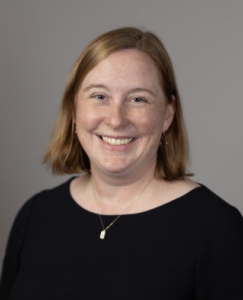 Jessica Church-Lang, Ph.D.
Associate Professor, University of Texas at Austin
Dr. Jessica Church-Lang grew up in Michigan, earned her B.A. from Smith College, and received her Ph.D. in Neuroscience from Washington University in St. Louis. She completed a joint postdoctoral fellowship with Dr. Silvia Bunge (UC Berkeley) and Dr. Brad Schlaggar (Washington University School of Medicine) before founding the Developmental Cognitive Neuroscience Lab in the Psychology Department at the University of Texas at Austin, where she is now a full professor and serves as a faculty ombuds.
Dr. Church-Lang’s research focuses on how cognitive control processes develop across childhood and adolescence, and how research on atypical development helps illuminate vulnerable aspects of cognitive development. She previously served as head of the Austin neuroimaging site for the Texas Learning Disabilities Research Center, where her work examined the relationship between cognitive control and reading, as well as brain changes associated with reading intervention.
Current research in her lab explores the development of cognitive control and academic skills in late childhood and adolescence, including how the brain’s control networks support learning during intervention or periods of educational disruption. Her work integrates behavioral methods such as cognitive and neuropsychological assessments with neuroimaging techniques (including fMRI and diffusion-weighted imaging) and studies of youth from the local community, including children with ADHD and learning differences.
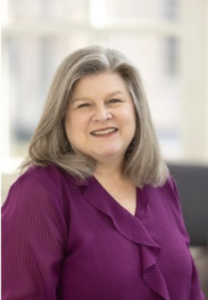 Jill Allor, Ph.D.
Dr. Jill Allor is a University Distinguished Professor and former chair of the Department of Teaching and Learning at Southern Methodist University. In 1996, she received her doctorate in special education from Peabody College of Vanderbilt University. A former special education teacher, her research is school-based and focuses on literacy acquisition for students with and without disabilities. As principal/co-principal investigator, she has received nearly $10 million of external research funds, including a $3.3 million grant funded in 2020 by the Institute of Education Sciences to test the efficacy of the Friends on the Block literacy curriculum when provided to students with intensive needs. She has also received over $1 million to support teacher preparation and development in literacy. In 2012, the International Multisensory Structured Language Education Council presented her with the Innovator Award for Outstanding Educator. In addition to publishing early literacy programs for typical and struggling readers, as well as students with disabilities, she has also published over 50 peer-reviewed research articles and book chapters. Throughout her career, she has presented widely at national professional meetings and has led numerous professional development workshops on a wide variety of literacy related topics, including peer tutoring, early literacy development, phonemic awareness instruction, literacy assessment, and early literacy text.
 Charlotte Gregor, M.Ed., CALT
Co-Presenter
Doctoral Student, Southern Methodist University
Charlotte Gregor is a PhD student, literacy researcher, and adjunct professor specializing in foundational literacy acquisition for students with language-based learning disabilities, including dyslexia. Her commitment to ensuring that high-quality, Structured Literacy instruction is accessible to all learners is both professional and personal. Diagnosed with dyslexia in the second grade, Charlotte brings a lived perspective to her research, teaching, and advocacy. Charlotte is currently working on Project Intensity, an IES funded project evaluating the efficacy of Friends on the Block (FOTB). FOTB is an intensive literacy intervention for students with intensive literacy needs that seeks to make literacy instruction engaging and inclusive. Prior to her doctoral studies, Charlotte served as an Academic Language Therapist in Dallas-area public schools, where she taught students with dyslexia and supported schools in a range of academic intervention roles. She currently serves on the board of the Dallas Branch of the International Dyslexia Association and is deeply committed to supporting individuals struggling with literacy in her community. #UntilEveryoneCanRead
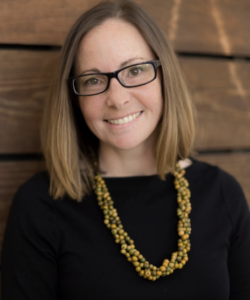 Elizabeth Stevens, Ph.D.
Associate Professor, University of Texas at Austin
Elizabeth Stevens is an Associate Professor in the Department of Special Education at The University of Texas (UT) at Austin. Stevens received a Ph.D. from The University of Texas at Austin; prior to that, she was a special education teacher for nine years. Her research focuses on improving academic outcomes for students with learning disabilities and learning difficulties. She has been awarded three IES research grants as PI or Co-PI, totaling over $7.1 million ($5.7 million as PI). She is currently leading Project ALIGN, an efficacy study investigating the effects of aligning reading comprehension practices in core and intervention on fifth graders’ reading outcomes. Stevens is also leading a development grant (Math Words) to design and test a mathematics vocabulary intervention for third and fourth graders with mathematics difficulty. Stevens has published in numerous high-impact journals, including Scientific Studies of Reading, Exceptional Children, Journal of Learning Disabilities, Reading and Writing, Remedial and Special Education, and Teaching Exceptional Children.
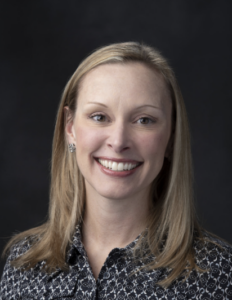 Alyson Collins, Ph.D., CALT
Associate Professor, Texas State University
Dr. Alyson A. Collins is an Associate Professor of Special Education in the Department of Curriculum and Instruction at Texas State University (TXST). Prior to earning her doctoral degree from Vanderbilt University, Dr. Collins taught for nine years in Texas public schools. During that time, she practices as a Certified Academic Language Therapist (CALT) providing intensive reading and writing intervention to students with dyslexia across grades K to 5. As a teacher, she also served for two years on the Austin Area Branch of the International Dyslexia Association (AABIIDA) Board.
Dr. Collins’ program of research focuses on exploring writing instruction for students with disabilities, effective interventions for these students, and professional development models that support teacher implementation of evidence-based practices. Dr. Collins has served as Principal Investigator (PI) or Co-PI on four Institute of Education Sciences (IES) grants aiming to improve writing instruction for students with disabilities. In addition, she leads two Office of Special Education Programs (OSEP) preparation grants at TXST aimed at enhancing teachers’ use of evidence-based practices and facilitating interdisciplinary collaborations with school psychologists. One of these grants, Project LEAD: Learning and Education for All with Dyslexia, supports a new graduate program that integrates a master’s degree in special education with a dyslexia specialist certification.
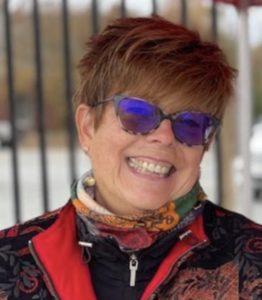 Mary Murray Stowe, Ed.D.
President, International Dyslexia Association – Virginia Branch
Dr. Mary Murray Stowe works with teachers, administrators, instructional coaches, directors and coordinators of special education through the Training and Technical Assistance Center at William & Mary and the Virginia Department of Education as an educational specialist. Mary is certified as a SIM™ Certified Learning Strategy Professional Developer in Learning Strategies, Certified Local LETRS Classic Trainer, and LETRS Third Edition Facilitator. Currently, Mary also serves as a consultant for the National Center for Improving Literacy and President of the Virginia Branch of the International Dyslexia Association.
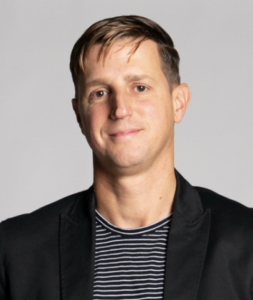 Nathan Clemens, Ph.D.
Professor, University of Texas at Austin
Nathan Clemens, Ph.D. is a Professor and Chair of the Department of Special Education at The University of Texas at Austin. He studies interventions and assessments for students with reading difficulties and disabilities across grade levels, with a focus on word-reading and reading comprehension.